Chinese Zodiac Compatibility and Grudges: Who Stays Mad Longer?
No sign tells you to hold a grudge, and the chart cannot tell you whether to forgive. What chinese zodiac compatibility can actually describe is a "cool-down clock": how long each animal tends to stay mad after a fight, and what it does with the anger in between. The part the calculators never print is that a grudge is a behavior you can change, not a verdict your birth year wrote. Read the clock, and you can bridge the mismatch instead of living inside it.
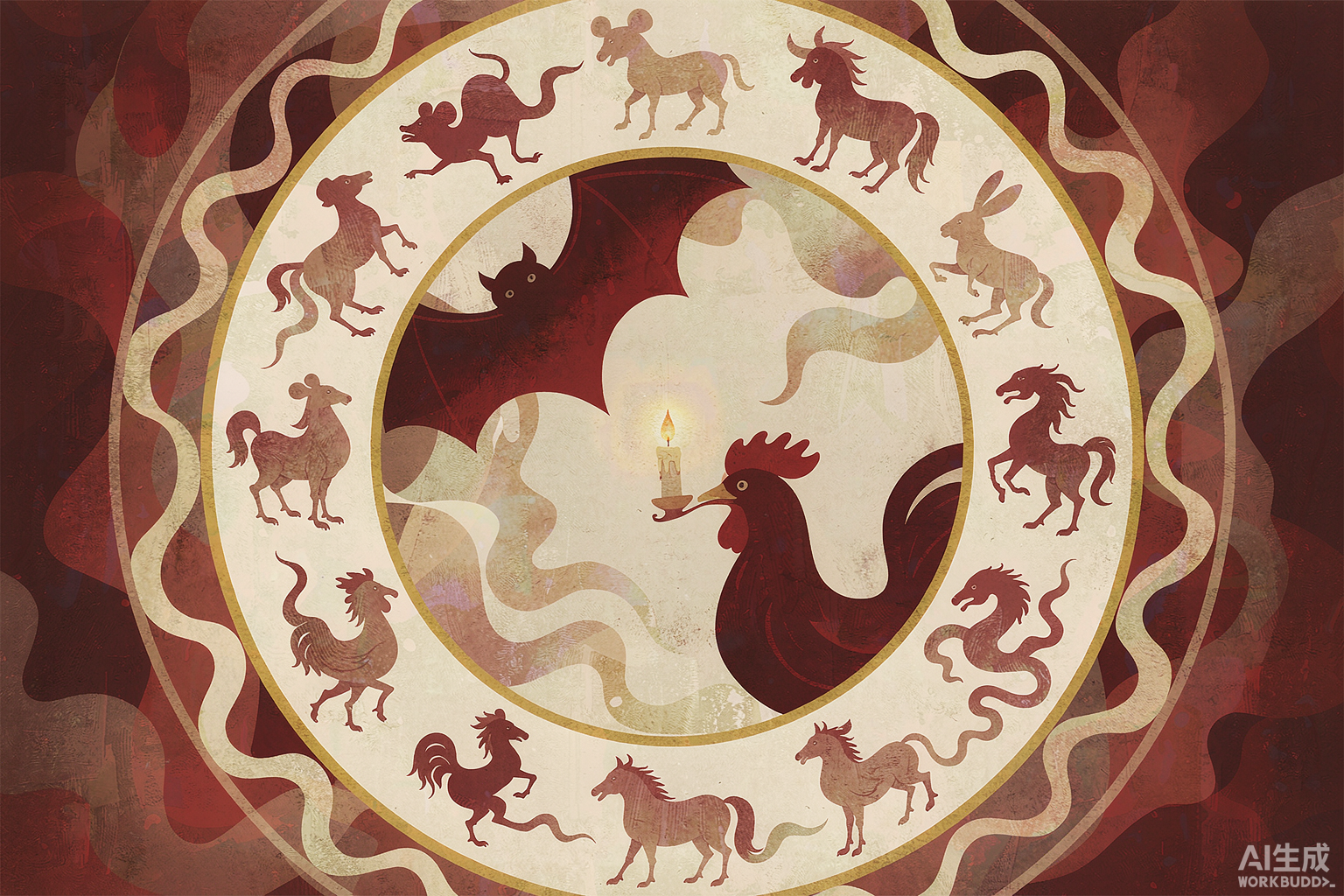
One animal on the wheel still holding the candle: the cool-down clock is a pattern, not a life sentence.
The animals are shorthand for temperament, not a sentence. When you read chinese zodiac compatibility this way, as a set of recognizable after-fight habits, the grudge question stops being "which sign is the worst" and becomes "whose clock runs longer, and what do we do when they don't match." A Rabbit who wants peace in ten minutes and a Rooster who keeps a mental ledger for a week are not doomed. They are on different timers, and timers can be named out loud.
Why "which sign holds grudges" is the wrong question
The question itself is a trap, because it hands your behavior to your birth year. The honest answer is that every animal can hold a grudge and every animal can let one go; the difference is the shape of the cool-down, not whether it exists. Most of what gets labeled "she's a grudge-holder because she's a Rooster" is actually "she needs acknowledgment before she can close a loop, and nobody gave it to her." That is a need, not a destiny. When you read chinese zodiac compatibility for the timer instead of the verdict, the whole category becomes useful instead of insulting.
The cool-down clock: five recognizable styles
Across the twelve animals the after-fight behavior clusters into five patterns. You will recognize your person in one of these long before you check a chart.
| Cool-down style | Animals | What it looks like | What it actually needs |
|---|---|---|---|
| Slow-burn scorekeeper | Rooster, Ox | Stays composed, but keeps a quiet mental ledger and revisits the point weeks later. | Acknowledgment that the hurt was real, not a victory. |
| Quick-flip | Tiger, Horse, Dragon | Explodes loudly, then genuinely moves on and is confused you're still upset. | To be believed in the moment, then left alone to reset. |
| Quiet-carry | Snake, Goat | Says little, carries it, and may let it color the next three disagreements. | A safe opening to name the thing before it hardens. |
| Never-admits | Monkey, Rat | Reframes, jokes past it, and may never actually process the original wound. | To be pulled back to the real point, kindly, on purpose. |
| Surface-peace | Rabbit, Pig, Dog | Forgives fast to restore harmony, but may swallow the real hurt. | Permission to stay upset a little longer without breaking the peace. |
Notice none of these says "bad person." They say "different recovery speed," and a speed difference is the easiest relationship problem in the world to fix, because you can see it coming. The chart is a heads-up about the timer, not a ranking of who is forgiving and who is not.
My mom holds grudges for weeks — is that her sign, or just her?
This is the most common grudge question, and it is the one the old lists answer badly. The part of chinese zodiac compatibility the calculators never print is that a label is a weather report for behavior, not an alibi for it. A Rooster's scorekeeper clock is real, but it is a tendency you can interrupt, not a force that makes her refuse to forgive.
"My Rooster mom and I 'clash' on paper, and after our fights she holds a grudge for weeks. Is holding onto anger a 'sign' thing, or just her personality?"
The useful answer is that it is a pattern, and patterns have triggers. The Rooster scorekeeper closes the loop when the hurt is named and acknowledged; she reopens it when it is waved away. So the question is not "is her sign making her difficult," it is "are we giving her the acknowledgment that lets her let go." Handing it all to the animal is the lazy version. The responsible version is to read the clock and meet it.
Three signals a grudge is about the person, not the sign
The chart earns trust only when you use it to understand behavior, never to excuse it. Watch for these three tells that a grudge has crossed from "different timer" into "unprocessed pattern."
1. The same fight recurs with no new trigger. If the ledger keeps getting reopened over the same old point long after the event, that is an unmet need, not a Rooster trait. The sign describes the shape; the repetition describes the unspoken thing underneath.
2. The grudge is used as a weapon in unrelated fights. When past hurts get dropped into every new argument to win it, that is a behavior choice. No animal signs you to fight dirty. Our stay-despite-clash guide covers how to keep old scores from poisoning new ones.
3. Forgiveness is offered but the coldness stays. The surface-peace animals can say "it's fine" and mean "I survived it," not "I released it." That gap is where real distance grows, and it has nothing to do with destiny. It has to do with whether anyone made room for the actual feeling.
Four things to do when the cool-down clocks don't match
None of this requires either of you to become a different animal. It requires naming the timers you are already on.
1. Say the clock out loud. "I need a few hours and then I'm done" versus "I'll seem fine but I'm still processing" is the single sentence that ends most timer fights. The mismatch hurts only when it is invisible. A quick read of our five-signal quick check shows how often the real problem is just unspoken timing.
2. Give the scorekeeper the acknowledgment, not the argument. A slow-burn Ox or Rooster does not need you to agree they were right; they need you to show you registered the hurt. "I see why that landed badly" closes more ledgers than any apology debate.
3. Let the surface-peace animal stay upset a little. If your Rabbit or Pig partner says "it's fine" too fast, gently return the feeling: "you don't have to be fine yet." Permission to be angry is often what finally lets it go.
4. Pull the never-admits animal back to the point. When the Monkey or Rat reframes and jokes past it, a calm "I'm still on the original thing" keeps the wound from going unprocessed. Laughter is fine; avoidance is the part to interrupt.
Questions people ask about zodiac signs and grudges
Which chinese zodiac sign holds grudges the longest?
On the traditional read, the slow-burn scorekeepers, the Rooster and the Ox, are the ones who keep a mental ledger and revisit a point long after the event, so they get labeled the longest holders. But that label overstates it, because chinese zodiac compatibility describes a cool-down clock, not a life sentence. A Rooster who gets acknowledgment can close a loop faster than a surface-peace Rabbit who swallowed the real hurt and never named it. The animal shapes the timer; what you do with it is still yours.
Is holding a grudge written in your zodiac sign?
No. A grudge is a behavior, and the chart only points at tendencies. The same animal can hold one for weeks or let one go in an afternoon depending on whether the underlying need got met. Reading chinese zodiac compatibility as "my sign made me do it" is the one move that turns a useful heads-up into an excuse, and the calculators that sell it that way are doing you a disservice. Our myths-debunked piece runs down the other places the chart gets over-read the same way.
How do I handle a partner who stays mad longer than I do?
Name the timers. Tell each other, in calm weather, what your cool-down actually looks like, then meet the slower clock with acknowledgment instead of pressure. The mismatch is only a problem when it is silent. For the bigger method of staying close through any flagged pattern, our why-incompatible explainer shows where these labels actually come from, and the attachment-style breakdown maps the same friction onto anxious and avoidant rhythms if the grudge feels bigger than the fight.
Can two people with opposite grudge styles still work?
Yes, and they often work better than matched pairs, because the quick-flip partner drags the quiet-carry one out of the silence and the quiet one slows the loud one down before damage. The risk is only when the fast forgiver mistakes the slow one's processing for punishment. Read the clock, give the acknowledgment, and the opposite styles become a balance instead of a standoff. For how this plays when the animals are a labeled mismatch, our Snake and Pig compatibility piece is the same dynamic on a six-clash board.